Maroon calyxes
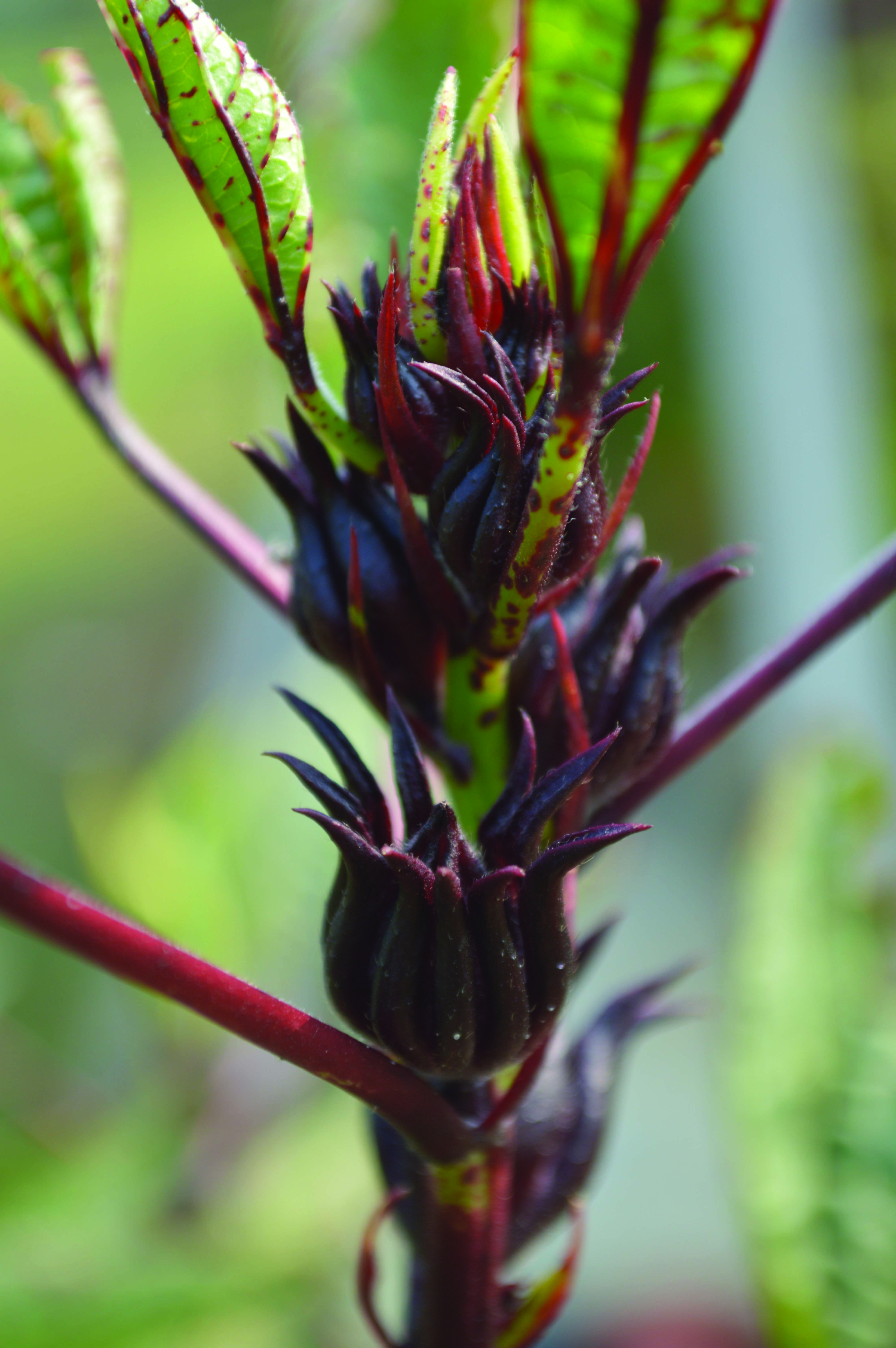
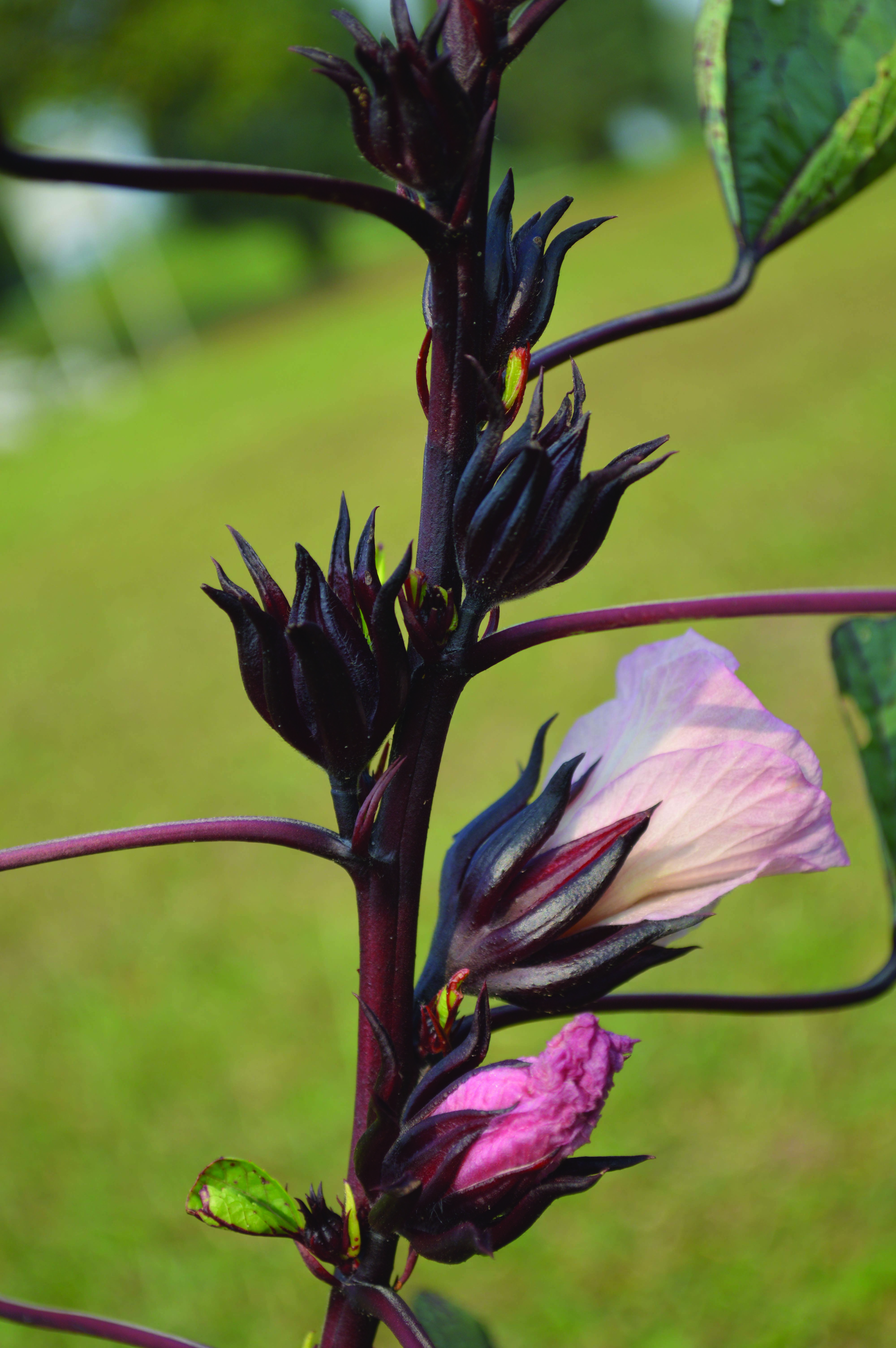
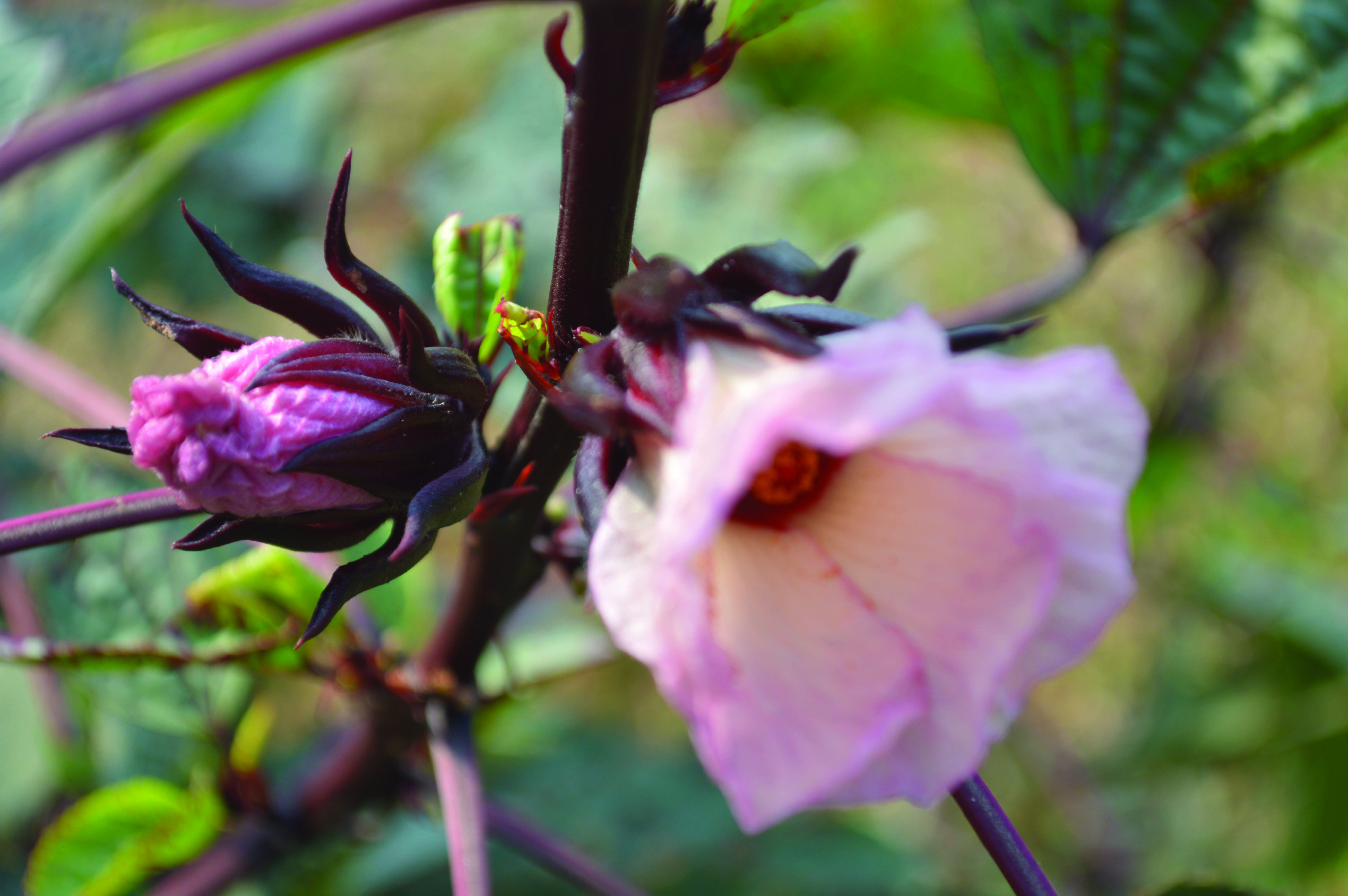
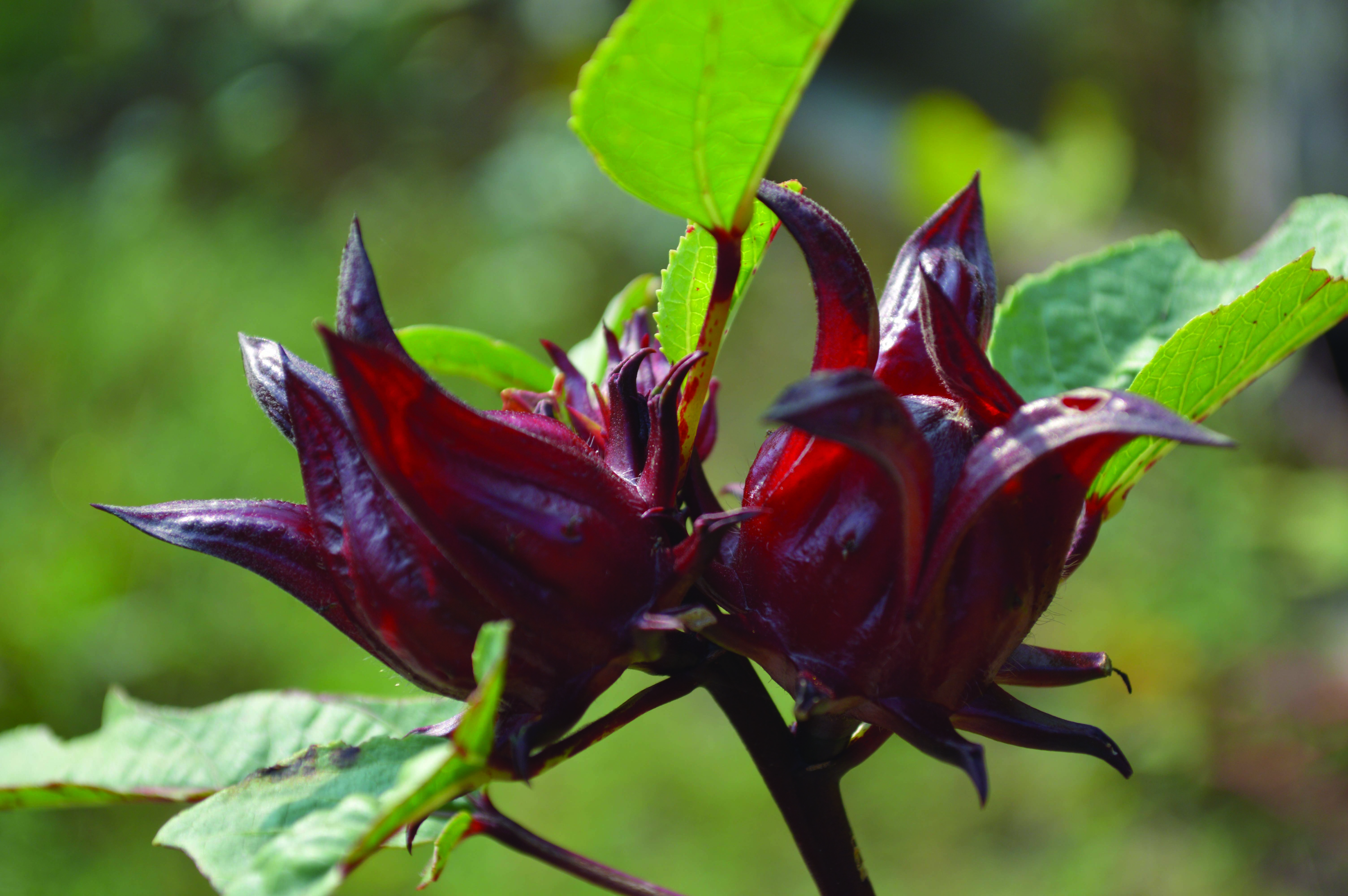
Roselle (Hibiscus sabdariffa) is a tropical fruit from the Hibiscus family. The fruit has unique calyxes of the deepest maroon colour. Many parts of Roselle including seeds, leaves, fruits and roots are used in various foods. Among them, the fleshy maroon calyxes are the most popular. Calyx of Rose...
| Main Author: | |
|---|---|
| Format: | Book Section |
| Language: | English English English English English English |
| Published: |
University Putra Malaysia
2012
|
| Subjects: | |
| Online Access: | http://psasir.upm.edu.my/id/eprint/19919/ http://psasir.upm.edu.my/id/eprint/19919/1/8_-_CHAPTER_8-3.pdf http://psasir.upm.edu.my/id/eprint/19919/2/DSC_1078.JPG http://psasir.upm.edu.my/id/eprint/19919/3/DSC_1075.JPG http://psasir.upm.edu.my/id/eprint/19919/4/DSC_1073.JPG http://psasir.upm.edu.my/id/eprint/19919/5/DSC_1098.JPG |
| _version_ | 1848843855148875776 |
|---|---|
| author | Sakimin, Siti Zaharah |
| author_facet | Sakimin, Siti Zaharah |
| author_sort | Sakimin, Siti Zaharah |
| building | UPM Institutional Repository |
| collection | Online Access |
| description | Roselle (Hibiscus sabdariffa) is a tropical fruit from the Hibiscus family. The fruit has unique calyxes of the deepest maroon colour. Many parts of Roselle including seeds, leaves, fruits and roots are used in various foods.
Among them, the fleshy maroon calyxes are the most popular. Calyx of Roselle is rich with various nutrients (protein, carbohydrate, iron,calcium) and vitamins. Roselle is believed to have originated from West Africa and is considered unique because the calyx of the flowers is used to produce the drink. Maroon calyxes are used fresh for making juice, jam,jelly, syrup, wine, gelatin, pudding, cakes, ice cream and flavours and also dried and brewed into tea which is caffeine-free. |
| first_indexed | 2025-11-15T08:21:39Z |
| format | Book Section |
| id | upm-19919 |
| institution | Universiti Putra Malaysia |
| institution_category | Local University |
| language | English English English English English English |
| last_indexed | 2025-11-15T08:21:39Z |
| publishDate | 2012 |
| publisher | University Putra Malaysia |
| recordtype | eprints |
| repository_type | Digital Repository |
| spelling | upm-199192014-10-25T06:26:56Z http://psasir.upm.edu.my/id/eprint/19919/ Maroon calyxes Sakimin, Siti Zaharah Roselle (Hibiscus sabdariffa) is a tropical fruit from the Hibiscus family. The fruit has unique calyxes of the deepest maroon colour. Many parts of Roselle including seeds, leaves, fruits and roots are used in various foods. Among them, the fleshy maroon calyxes are the most popular. Calyx of Roselle is rich with various nutrients (protein, carbohydrate, iron,calcium) and vitamins. Roselle is believed to have originated from West Africa and is considered unique because the calyx of the flowers is used to produce the drink. Maroon calyxes are used fresh for making juice, jam,jelly, syrup, wine, gelatin, pudding, cakes, ice cream and flavours and also dried and brewed into tea which is caffeine-free. University Putra Malaysia 2012 Book Section PeerReviewed application/pdf en http://psasir.upm.edu.my/id/eprint/19919/1/8_-_CHAPTER_8-3.pdf image/jpeg en http://psasir.upm.edu.my/id/eprint/19919/2/DSC_1078.JPG image/jpeg en http://psasir.upm.edu.my/id/eprint/19919/3/DSC_1075.JPG image/jpeg en http://psasir.upm.edu.my/id/eprint/19919/4/DSC_1073.JPG image/jpeg en http://psasir.upm.edu.my/id/eprint/19919/5/DSC_1098.JPG Sakimin, Siti Zaharah (2012) Maroon calyxes. In: Nature's Yield and Wonders of Art (NYAWA)12: Fruits. University Putra Malaysia, University Putra Malaysia, pp. 102-103. ISBN 9789673442980 Nature (Aesthetic) - Exhibitions Fruit - Exhibitions Art and Science - Exhibitions English |
| spellingShingle | Nature (Aesthetic) - Exhibitions Fruit - Exhibitions Art and Science - Exhibitions Sakimin, Siti Zaharah Maroon calyxes |
| title | Maroon calyxes |
| title_full | Maroon calyxes |
| title_fullStr | Maroon calyxes |
| title_full_unstemmed | Maroon calyxes |
| title_short | Maroon calyxes |
| title_sort | maroon calyxes |
| topic | Nature (Aesthetic) - Exhibitions Fruit - Exhibitions Art and Science - Exhibitions |
| url | http://psasir.upm.edu.my/id/eprint/19919/ http://psasir.upm.edu.my/id/eprint/19919/1/8_-_CHAPTER_8-3.pdf http://psasir.upm.edu.my/id/eprint/19919/2/DSC_1078.JPG http://psasir.upm.edu.my/id/eprint/19919/3/DSC_1075.JPG http://psasir.upm.edu.my/id/eprint/19919/4/DSC_1073.JPG http://psasir.upm.edu.my/id/eprint/19919/5/DSC_1098.JPG |