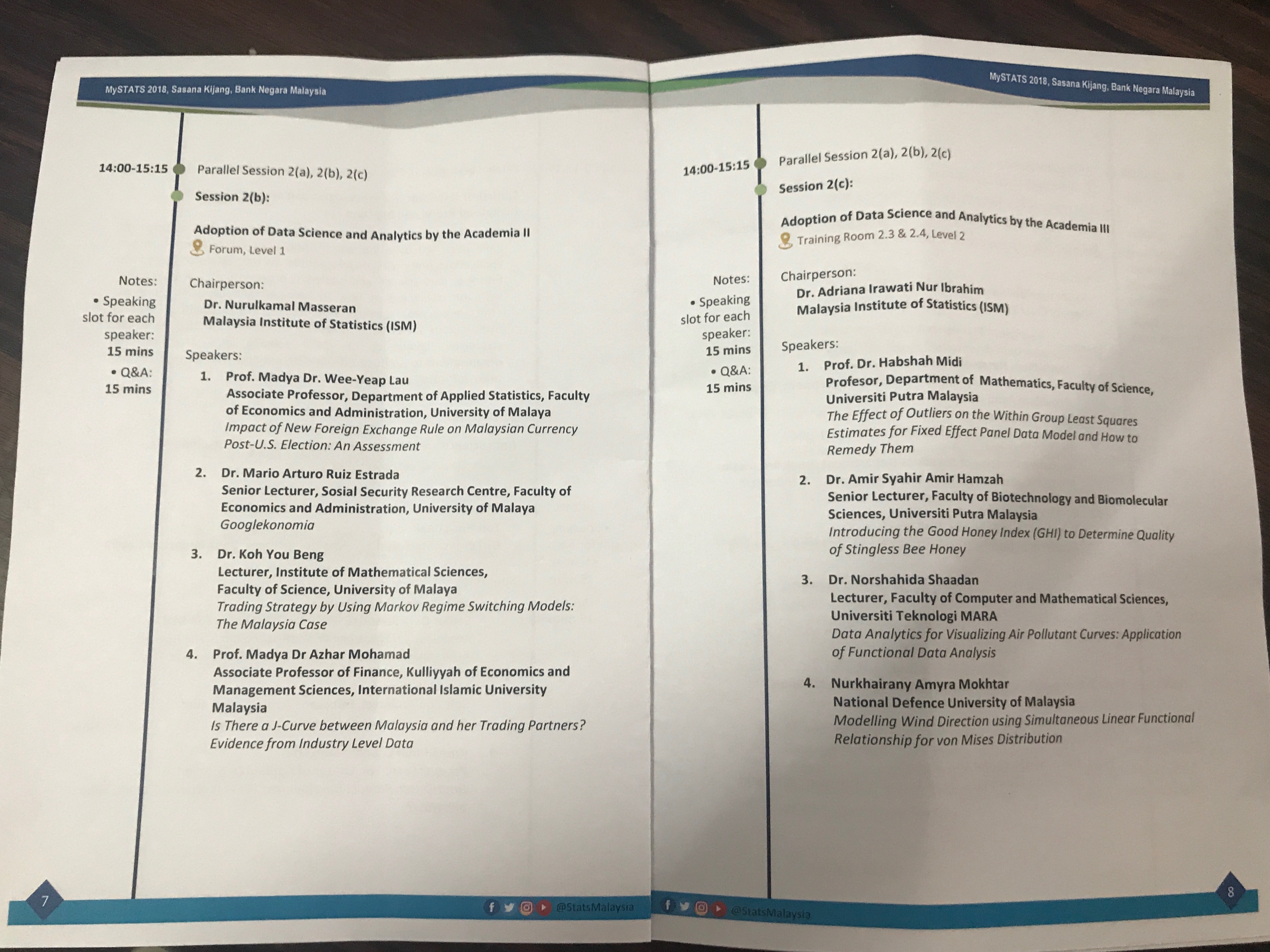
Is there a J-curve between Malaysia and her trading partners? evidence from ARDL test and industry level data
The J-curve of a trade balance is a phenomenon whereby a trade balance initially worsens following a currency depreciation and improves afterwards. Many scholars examined the relationship between depreciation of a currency and the trade balance of that country. Most prior works employed aggregation...
| Main Author: | |
|---|---|
| Format: | Proceeding Paper |
| Language: | English English English |
| Published: |
2018
|
| Subjects: | |
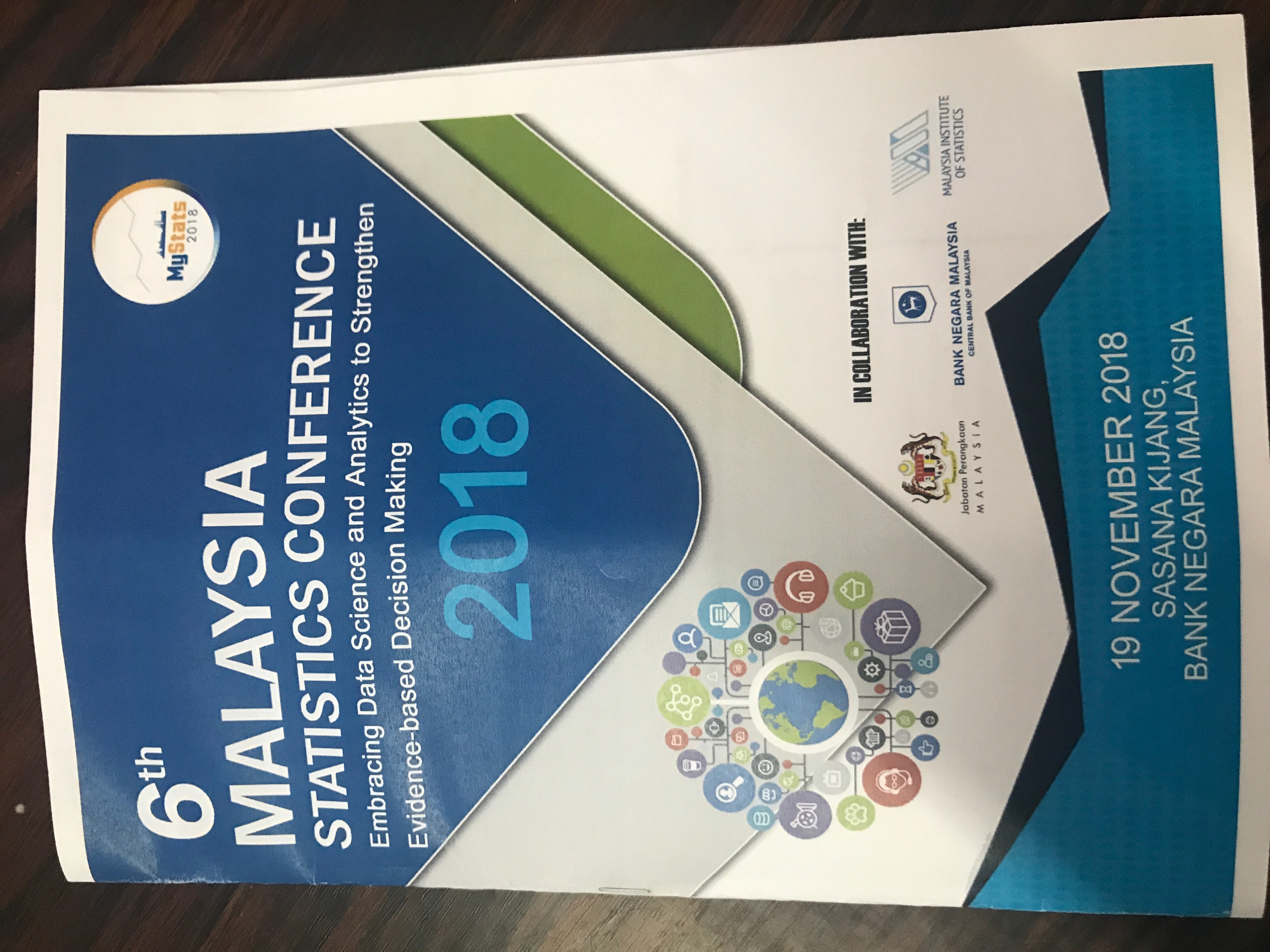
| Online Access: | http://irep.iium.edu.my/67885/ http://irep.iium.edu.my/67885/1/Mystats%202018%20-%20Dr%20Azhar%20Mohamad%20IIUM.pdf http://irep.iium.edu.my/67885/2/MyStats%202018%20program%20book%20front%20cover.JPG http://irep.iium.edu.my/67885/3/MyStats%202018%20presentation%20schedule.JPG |
| _version_ | 1848786845585899520 |
|---|---|
| author | Mohamad, Azhar |
| author_facet | Mohamad, Azhar |
| author_sort | Mohamad, Azhar |
| building | IIUM Repository |
| collection | Online Access |
| description | The J-curve of a trade balance is a phenomenon whereby a trade balance initially worsens following a currency depreciation and improves afterwards. Many scholars examined the relationship between depreciation of a currency and the trade balance of that country. Most prior works employed aggregation of data, leading to mixed results due to inherent aggregation bias. To overcome this problem, later studies used disaggregation of data. This paper empirically tests for the existence of J-curve effects between Malaysia and her top five trading partners, with a view to differentiate between the short-run and the long-run effects of the J-curve on trade balance. Employing linear and non-linear ARDL bound testing approaches for cointegration and error-correction modelling of quarterly data for the period 2001-2015, we find evidence of J-curve effects in certain industries for Malaysia-Japan and Malaysia-UK cases from linear model and comparatively stronger evidence of J-curve for Malaysia-US cases from non-linear model. Asymmetry of pronounced effects in the short and long run are also documented.
** We thank Puan Ummi Kalsum Bt Mohamad ummi@stats.gov.my), Balance of Payment Statistics Div, DOSM for helping us with the data. |
| first_indexed | 2025-11-14T17:15:31Z |
| format | Proceeding Paper |
| id | iium-67885 |
| institution | International Islamic University Malaysia |
| institution_category | Local University |
| language | English English English |
| last_indexed | 2025-11-14T17:15:31Z |
| publishDate | 2018 |
| recordtype | eprints |
| repository_type | Digital Repository |
| spelling | iium-678852018-11-22T06:20:52Z http://irep.iium.edu.my/67885/ Is there a J-curve between Malaysia and her trading partners? evidence from ARDL test and industry level data Mohamad, Azhar HG3810 Foreign exchange The J-curve of a trade balance is a phenomenon whereby a trade balance initially worsens following a currency depreciation and improves afterwards. Many scholars examined the relationship between depreciation of a currency and the trade balance of that country. Most prior works employed aggregation of data, leading to mixed results due to inherent aggregation bias. To overcome this problem, later studies used disaggregation of data. This paper empirically tests for the existence of J-curve effects between Malaysia and her top five trading partners, with a view to differentiate between the short-run and the long-run effects of the J-curve on trade balance. Employing linear and non-linear ARDL bound testing approaches for cointegration and error-correction modelling of quarterly data for the period 2001-2015, we find evidence of J-curve effects in certain industries for Malaysia-Japan and Malaysia-UK cases from linear model and comparatively stronger evidence of J-curve for Malaysia-US cases from non-linear model. Asymmetry of pronounced effects in the short and long run are also documented. ** We thank Puan Ummi Kalsum Bt Mohamad ummi@stats.gov.my), Balance of Payment Statistics Div, DOSM for helping us with the data. 2018-11-19 Proceeding Paper PeerReviewed application/pdf en http://irep.iium.edu.my/67885/1/Mystats%202018%20-%20Dr%20Azhar%20Mohamad%20IIUM.pdf application/pdf en http://irep.iium.edu.my/67885/2/MyStats%202018%20program%20book%20front%20cover.JPG application/pdf en http://irep.iium.edu.my/67885/3/MyStats%202018%20presentation%20schedule.JPG Mohamad, Azhar (2018) Is there a J-curve between Malaysia and her trading partners? evidence from ARDL test and industry level data. In: 6th Malaysia Statistics Conference, Sasana Kijang, Bank Negara Malaysia. (Unpublished) |
| spellingShingle | HG3810 Foreign exchange Mohamad, Azhar Is there a J-curve between Malaysia and her trading partners? evidence from ARDL test and industry level data |
| title | Is there a J-curve between Malaysia and her trading partners? evidence from ARDL test and industry level data |
| title_full | Is there a J-curve between Malaysia and her trading partners? evidence from ARDL test and industry level data |
| title_fullStr | Is there a J-curve between Malaysia and her trading partners? evidence from ARDL test and industry level data |
| title_full_unstemmed | Is there a J-curve between Malaysia and her trading partners? evidence from ARDL test and industry level data |
| title_short | Is there a J-curve between Malaysia and her trading partners? evidence from ARDL test and industry level data |
| title_sort | is there a j-curve between malaysia and her trading partners? evidence from ardl test and industry level data |
| topic | HG3810 Foreign exchange |
| url | http://irep.iium.edu.my/67885/ http://irep.iium.edu.my/67885/1/Mystats%202018%20-%20Dr%20Azhar%20Mohamad%20IIUM.pdf http://irep.iium.edu.my/67885/2/MyStats%202018%20program%20book%20front%20cover.JPG http://irep.iium.edu.my/67885/3/MyStats%202018%20presentation%20schedule.JPG |